
PBM Chargers: What They Are, What They Can Do, and How They Compare
Learn what PBM chargers are, how they work, and why they’re a popular, cost-effective choice for warehouses and used equipment dealers. Full breakdown of voltages, features, and buying tips.
Published May 6, 2026 · Updated May 8, 2026
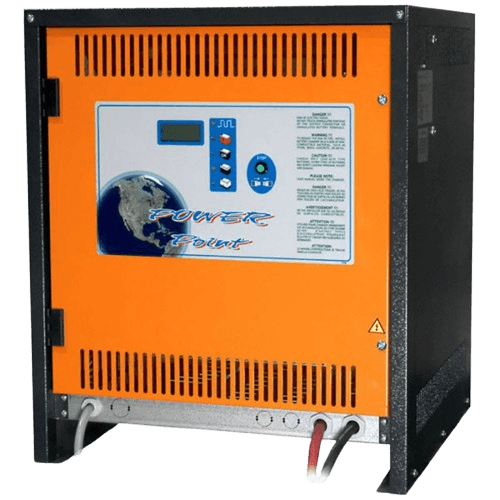
PBM industrial Chargers: What They Are, What They Can Do, and How They Compare
Quick Answer
PBM industrial chargers are heavy-duty industrial battery chargers designed to recharge electric forklift, pallet jack, reach truck, and other warehouse equipment batteries. They are most commonly used with lead-acid traction batteries and support voltages including 12V, 24V, 36V, 48V, 72V, and 80V.Warehouses, repair shops, forklift dealers, and used equipment resellers prefer PBM chargers because they are practical, rugged, serviceable, and often easier to maintain than locked-down OEM systems
What Is a PBM industrial Charger?
A PBM industrial charger is a commercial-grade battery charger built specifically for large industrial traction batteries. Unlike small automotive chargers, these units deliver high current over several hours to fully recharge big battery packs used in material handling equipment.
PBM industrial chargers are matched to three key factors:
Battery voltage
Battery amp-hour (Ah) capacity
Battery chemistry and required charge profile
Most PBM models are designed for flooded lead-acid batteries, though some support AGM, gel, or lithium (always verify compatibility with the model plate or manual).
What Are PBM Chargers Used For?
PBM industrial chargers are commonly used for:
Electric forklifts
Pallet jacks
Walkie stackers
Reach trucks
Order pickers
Warehouse tuggers
Industrial floor scrubbers and sweepers
Refurbished forklift batteries
Used battery and charger resale
They excel in daily warehouse operations where reliable charging is essential.
Common PBM Charger Voltages
PBM chargers are selected primarily by output voltage. Standard industrial voltages include:
12V — Small industrial batteries and specialty equipment
24V — Pallet jacks, walkie stackers, and light warehouse equipment
36V — Older forklifts and mid-size machines
48V — Most common electric forklifts and reach trucks
72V — Heavy-duty applications
80V — Large forklifts and high-demand fleets
Important: The charger voltage must match the battery voltage. Mismatching can damage both the battery and the charger.
What Can PBM industrial Chargers Do?
Depending on the model, PBM industrial chargers offer these key features:
Automatic multi-stage charging
Timed charging cycles
Finish charge mode
Equalize charge mode (for flooded lead-acid)
Fault lights and diagnostic indicators
Amp-hour return display or LED status
Delayed start timers
Over-temperature protection
Reverse polarity protection
AC input monitoring
Heavy-duty DC cables with Anderson connectors
Single-phase or three-phase power input
These functions protect the battery, ensure consistent charging, and reduce operator errors.
Why Charge Profile Matters
Industrial chargers use different technologies:
Ferroresonance — Rugged and simple, but heavier and less efficient
SCR — Good control, very common in industrial use
High-Frequency — Lighter, more efficient, with advanced control
The right charge profile depends on your battery type, work shifts, power availability, and usage pattern.
Why PBM industrial Chargers Are a Strong Choice
PBM chargers stand out in real-world warehouse and resale environments because they are:
Built for Industrial Use
Designed for daily heavy workloads — not light-duty consumer units.'
Easier to Service
Use standard industrial components that technicians can repair, unlike many proprietary “throw-away” systems.
Ideal for Used Equipment
Popular with forklift dealers, battery rebuilders, and resellers due to compatibility and familiarity.Available in All Common Voltages
Easy to match with 12V–80V warehouse equipment.Cost-Effective
Deliver excellent performance at a lower price than many OEM chargers.Practical for Lead-Acid Fleets
Especially strong with flooded lead-acid batteries when proper finish and equalize functions are included.
PBM vs Competitors
PBM industrial chargers are frequently compared to:
EnerSys, Exide/GNB, Prestolite Power, Fronius, Delta-Q/ZAPI, Lester Electrical, Crown, Toyota, Hyster-Yale, BSLBATT, Flux Power, Applied Energy Solutions, and La Marche.
Choose PBM when you want a practical, serviceable, and affordable charger for traditional lead-acid batteries.
Choose competitors for advanced lithium integration, fleet software, or OEM-specific features.
What to Check Before Buying or Using a PBM Charger
Always verify the following:
Output voltage matches battery
Output amperage suits battery size and charge time needed
Input power (single-phase or three-phase)
AC input voltage matches your facility
Battery chemistry compatibility
Correct charge profile
Connector type (Anderson, etc.)
Cable and connector condition
Cooling fans working properly
No fault lights or damaged components
Model number on the data plate
Common PBM Charger Problems
Typical issues include:
Wrong voltage for the battery
Weak or sulfated battery
Bad AC power supply
Blown fuses or failed contactors
Non-working cooling fans
Burned or loose connectors/cables
Overheated transformer or control board
Incorrect charge profile
Note: Many “charger problems” are actually caused by a failing battery.
Are PBM Industrial Chargers Better Than Competitors?
PBM Industrial chargers are not the best for every situation, but they are an excellent choice for many operations. They shine in lead-acid fleets, budget-conscious warehouses, repair shops, and used equipment businesses where durability, serviceability, and value matter most.
Bottom Line
PBM Industrial chargers are reliable, heavy-duty industrial chargers that keep warehouse equipment running efficiently. They offer strong value, excellent compatibility with common lead-acid batteries, and easy maintenance — making them a smart, practical choice for many businesses.
|
Related guides
 Why Buy PBM
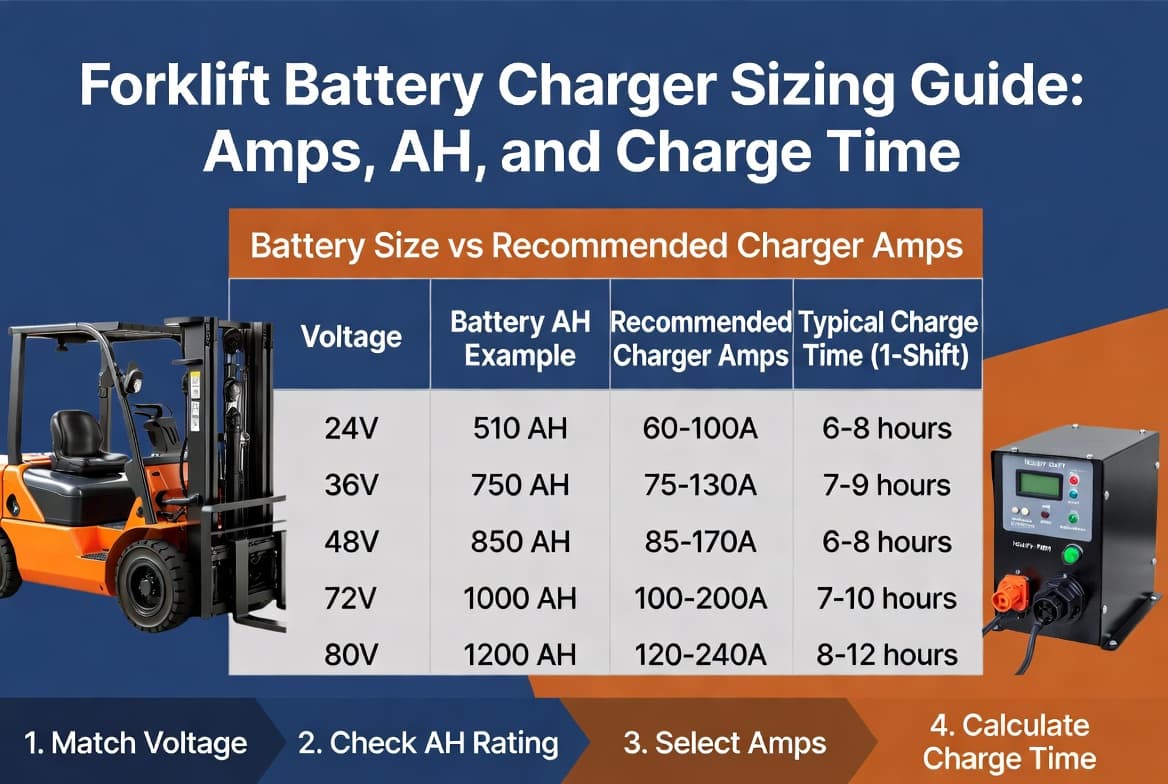
Forklift Battery Charger Sizing Guide: Amps, AH, and Charge Time
Forklift battery charger sizing guide — Learn how to match voltage, amps, and AH capacity for optimal charging. Includes one-shift vs multi-shift advice, chemistry considerations, and why PBM chargers are a popular choice.
 Why Buy PBM
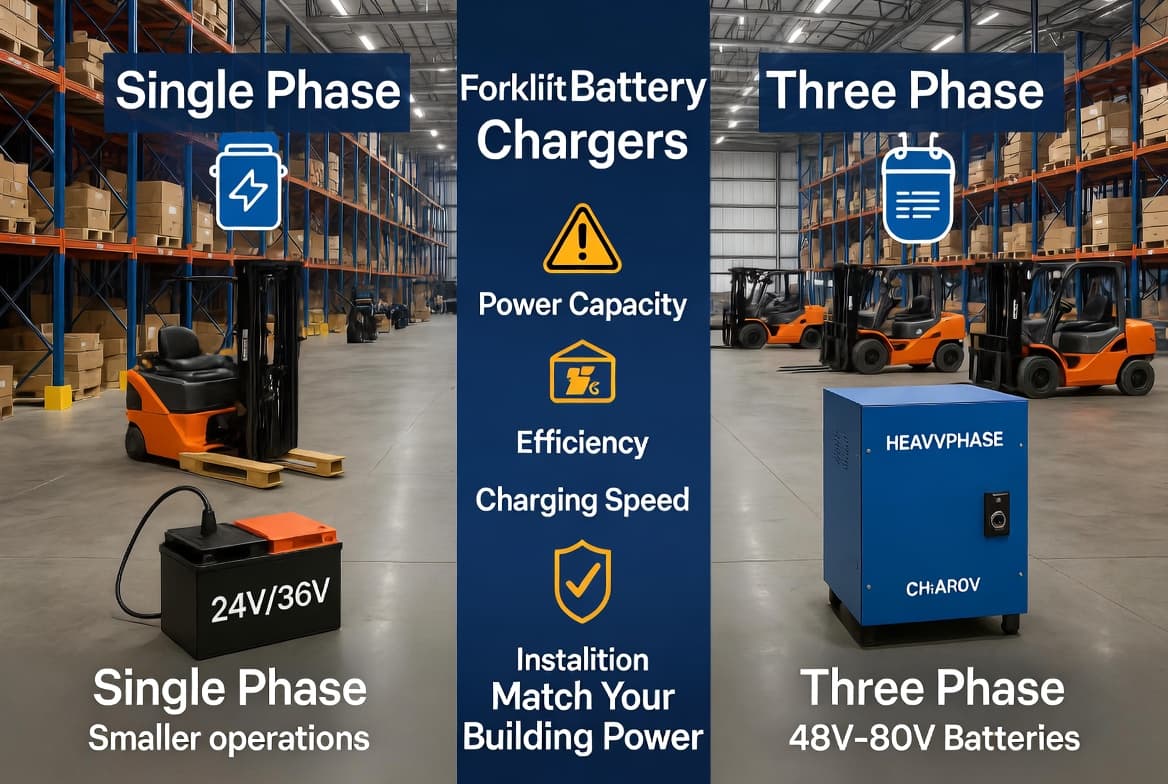
Single Phase vs Three Phase Battery Chargers | Which One Do You Need?
Single phase vs three phase battery chargers — which is right for your warehouse? This guide explains power requirements, efficiency, charging speed, and how to choose the best option for your operation, including PBM charger recommendations.
 Why Buy PBM
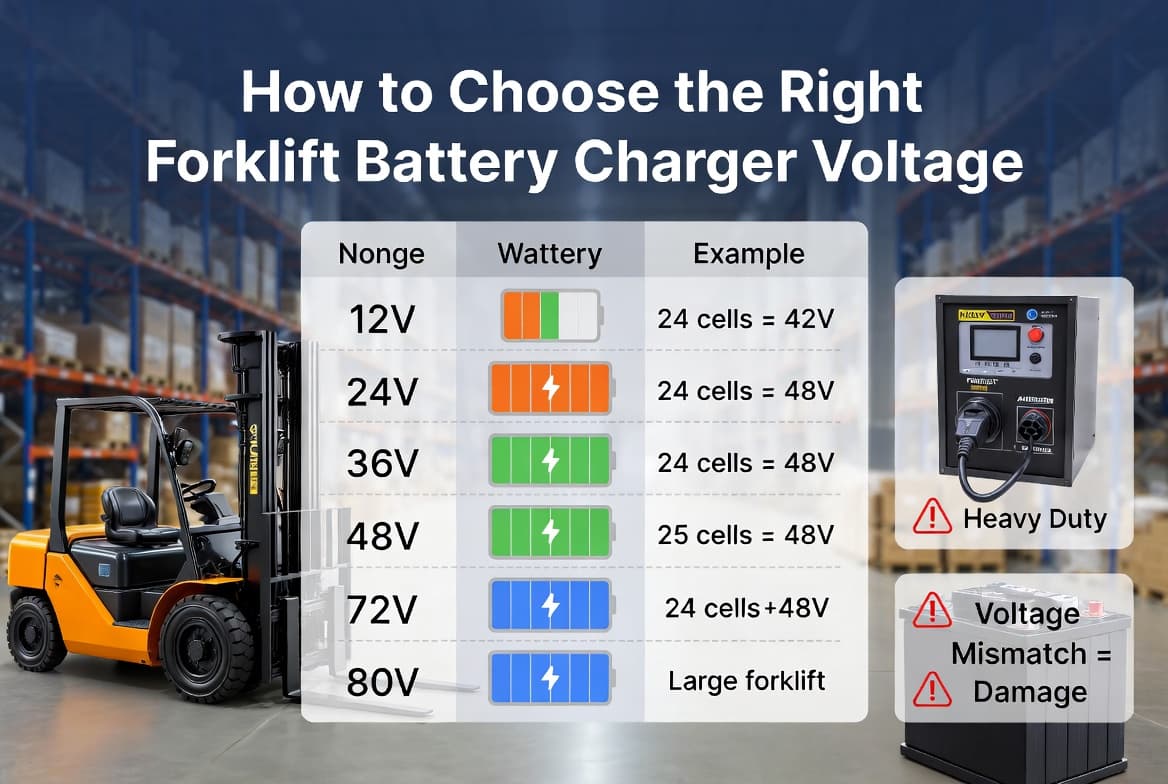
How to Choose the Right Battery Charger Voltage | 12V–80V Guide
Choosing the right battery charger voltage is critical for safety and battery life. This guide explains 12V, 24V, 36V, 48V, 72V, and 80V systems, how to read battery nameplates, cell counts, and why voltage matching matters when using PBM or other industrial chargers.