
Single Phase vs Three Phase Battery Chargers | Which One Do You Need?
Single phase vs three phase battery chargers — which is right for your warehouse? This guide explains power requirements, efficiency, charging speed, and how to choose the best option for your operation, including PBM charger recommendations.
Published May 8, 2026 · Updated May 8, 2026
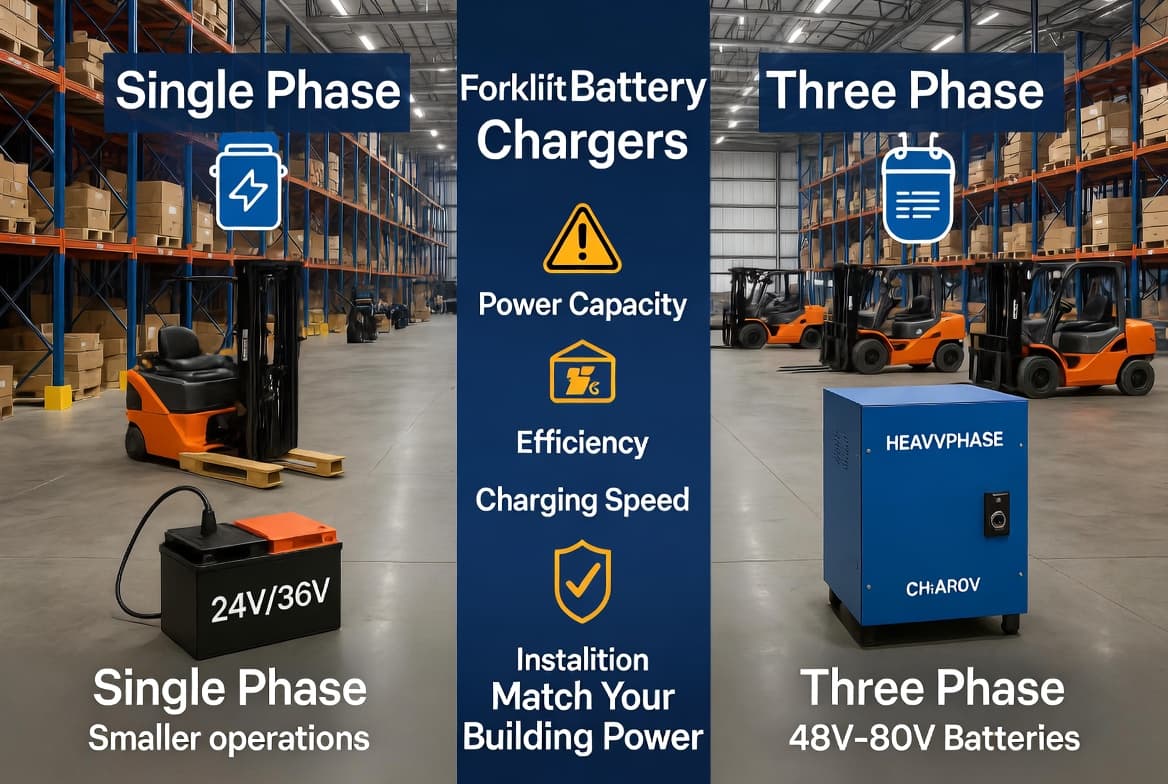
Single Phase vs Three Phase Battery Chargers
Quick Answer
Single phase battery chargers are ideal for smaller operations and facilities with standard single-phase power. Three phase battery chargers are preferred for larger warehouses, heavy-duty fleets, and high-volume charging because they deliver power more efficiently and support higher output.
PBM chargers are available in both single phase and three phase configurations (model dependent), making them a flexible choice for many businesses.
What Is Single Phase Power?
Single phase power is the standard electricity supplied to most homes, small shops, and light commercial buildings. A single phase forklift charger uses this common power source
Best for:
Smaller warehouses
Repair shops and forklift dealers
Pallet jacks and walkie stackers
Low-volume or occasional charging
Facilities without three phase power
Single phase chargers are usually simpler and less expensive to install when three phase power is not available.
What Is Three Phase Power?
Three phase power is the industrial-standard electricity used in larger warehouses, manufacturing plants, and heavy commercial facilities. Three phase chargers use all three phases for more efficient power delivery.
Best for:
Large electric forklifts (48V, 72V, 80V)
High amp-hour batteries
Multi-shift operations
Charging multiple batteries daily
High-demand fleet charging rooms
Three phase systems are more efficient for heavy industrial charging loads.
Single Phase vs Three Phase: Key Differences
Feature | Single Phase | Three Phase |
|---|---|---|
Power Capacity | Lower | Higher |
Efficiency | Good for small loads | Better for large industrial loads |
Charging Speed | Slower on large batteries | Faster on large batteries |
Installation | Easier in small buildings | Requires three phase service |
Best For | Small operations, light use | Large fleets, multi-shift warehouses |
Cost | Lower upfront | Higher if new electrical work needed |
Which One Does Your Facility Need?
Ask yourself these questions:
What electrical power is available in your building?
How large are your forklift batteries (voltage and Ah)?
How many batteries do you charge per day?
Do you run single or multiple shifts?
How quickly do you need equipment back in service?
Choose Single Phase if you have limited power, smaller equipment, or lower daily charging volume.
Choose Three Phase if you run a busy warehouse with large batteries and high daily demand.
When Single Phase Makes Sense
Building only has single phase power
Charging smaller 12V or 24V batteries
One or two pieces of equipment
Repair shops or used equipment dealers
Budget-conscious or low-volume operations
When Three Phase Makes Sense
Building already has three phase power
Charging 48V, 72V, or 80V batteries
Multiple forklifts or multi-shift operation
Need faster charging times
Large industrial warehouse or distribution center
Common Input Voltages
Forklift chargers may accept:
120V / 208V / 240V Single Phase
208V / 240V / 480V Three Phase
Always check the charger’s nameplate for exact requirements.
Important: Input Voltage vs Output Voltage
Input Voltage = AC power from your building (what the charger plugs into)
Output Voltage = DC voltage going to the battery (24V, 48V, etc.)
These are completely different. You must match both correctly.
Why PBM Chargers Are a Good Option
PBM industrial chargers are popular because they offer practical single phase and three phase models. They are:
Serviceable and repairable
Cost-effective compared to OEM chargers
Available in common forklift voltages
Well-suited for warehouses, dealers, and battery shops
Installation and Safety Notes
Always use a qualified electrician. Key considerations include:
Correct breaker size
Proper wiring gauge
Grounding
Ventilation
Charger location and clearance
Compliance with local electrical codes
Bottom Line
Single phase chargers work well for smaller, simpler operations.
Three phase chargers are superior for larger fleets and industrial environments.
The best choice is the one that matches your available building power, battery size, and daily workload. A properly selected PBM charger in the right phase can provide reliable, long-term performance.
FAQ
Is three phase always better?
No. Three phase is better for heavy use, but single phase is perfectly fine for smaller operations.
Can I use a three phase charger with only single phase power?
Generally no. You would need special electrical conversion equipment. Consult an electrician.
Does three phase charge faster?
It often supports higher output, so yes — especially on large batteries.
What’s the difference between input and output voltage?
Input = building AC power. Output = DC voltage to the battery. Both must match their requirements.
Are PBM chargers available in both phases?
Yes, depending on the specific model. Always verify specifications before purchase.
Related guides
 Why Buy PBM
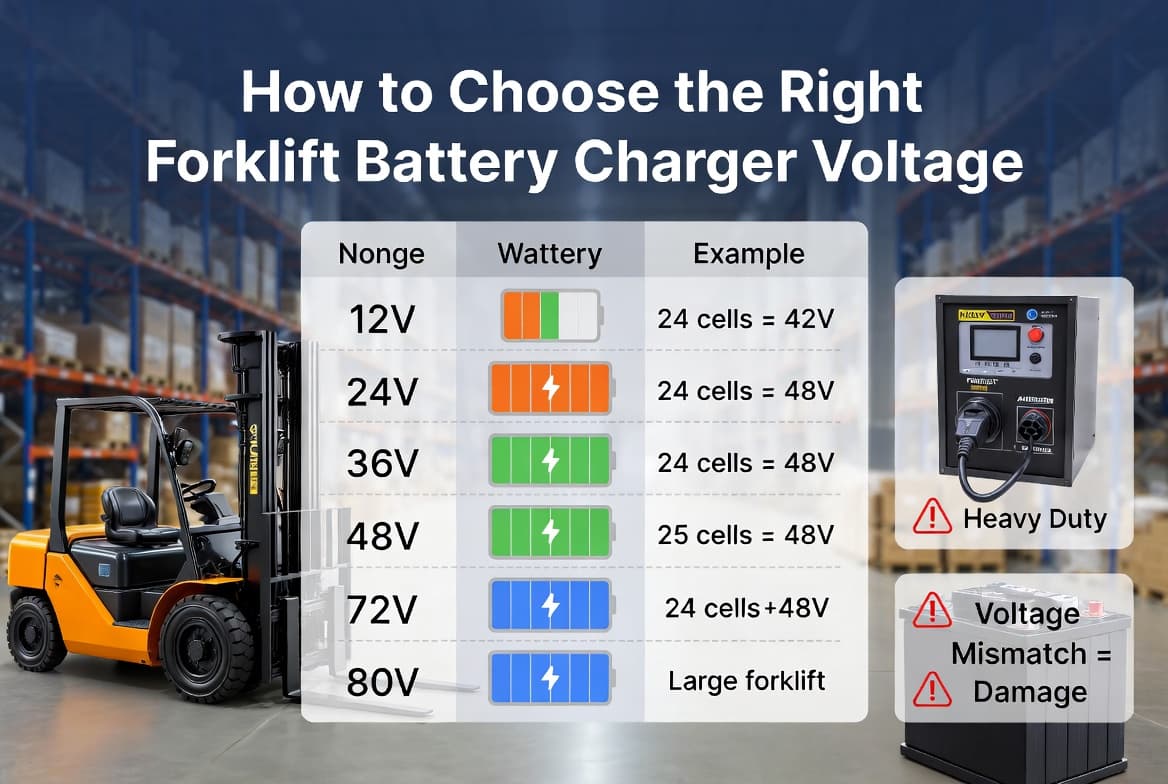
How to Choose the Right Battery Charger Voltage | 12V–80V Guide
Choosing the right battery charger voltage is critical for safety and battery life. This guide explains 12V, 24V, 36V, 48V, 72V, and 80V systems, how to read battery nameplates, cell counts, and why voltage matching matters when using PBM or other industrial chargers.
 Why Buy PBM
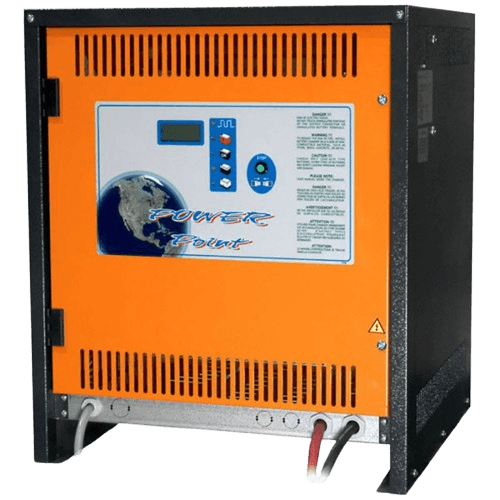
PBM Chargers: What They Are, What They Can Do, and How They Compare
Learn what PBM chargers are, how they work, and why they’re a popular, cost-effective choice for warehouses and used equipment dealers. Full breakdown of voltages, features, and buying tips.